
Sitecore is a powerful enterprise CMS built for personalization, scale, and complex digital experiences. But with that power comes complexity, and SEO success in Sitecore is never guaranteed by default.
Search engines and AI systems care less about platforms and more about how content is structured, delivered, and understood. In Sitecore, SEO performance depends on how well content architecture, personalization, and technical implementation work together.
This guide explains SEO best practices for Sitecore CMS, with a focus on clarity, structure, performance, and AI friendly optimization for Google, Bing, and Gemini style search experiences.
This article is written for enterprise marketers, SEO specialists, developers, and product teams using Sitecore.
Why SEO in Sitecore Requires a Strategic Approach
Sitecore is not a simple CMS. It is an experience platform designed to deliver personalized content across channels. While this enables advanced marketing use cases, it also introduces SEO risks.
Common challenges include:
- Over personalized pages with limited crawlability
- Duplicate content caused by variants and parameters
- Complex templates that hide content from search engines
- SEO handled late in the implementation process
SEO success in Sitecore requires early planning and cross team alignment.
How Search Engines and AI Understand Sitecore Content
Content Clarity Over Complexity
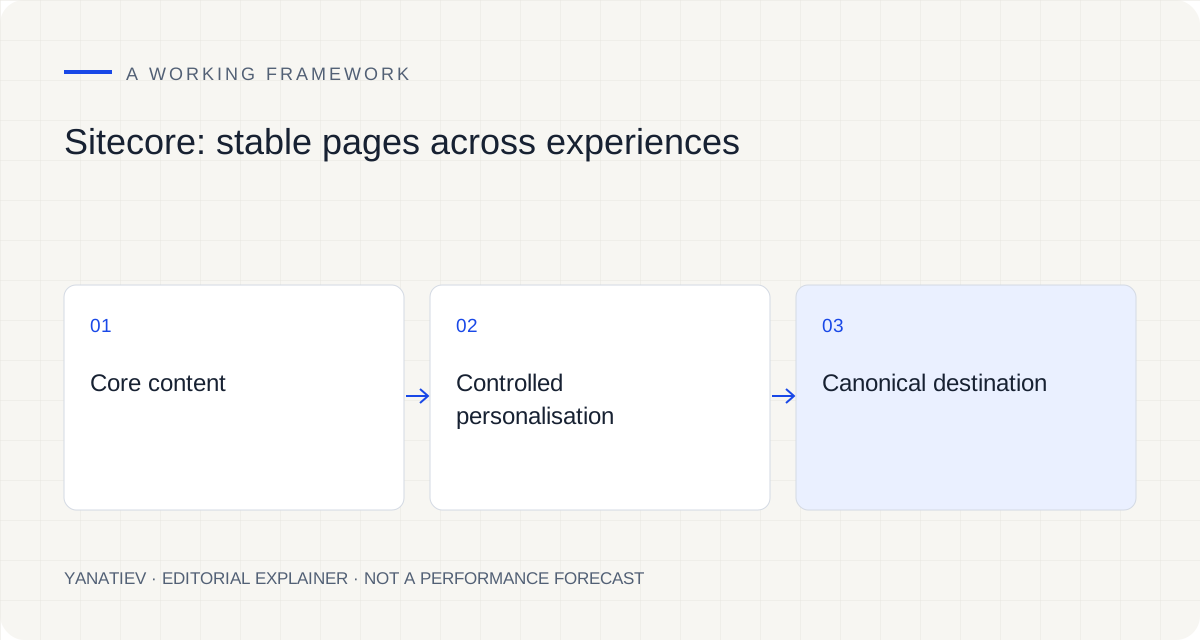
Search engines and AI systems evaluate whether a page clearly communicates a single topic. Personalization should enhance relevance, not obscure meaning.
Key signals include:
- Clear page titles and headings
- Consistent content structure
- Crawlable HTML output
- Logical internal linking
If search engines cannot easily interpret your page, personalization benefits are lost.
AI Search Prefers Stable Content
AI driven search systems rely on consistent, indexable content. Excessive dynamic rendering or hidden content can reduce visibility in AI overviews.
Sitecore implementations must balance personalization with SEO stability.
Content Architecture SEO Best Practices in Sitecore
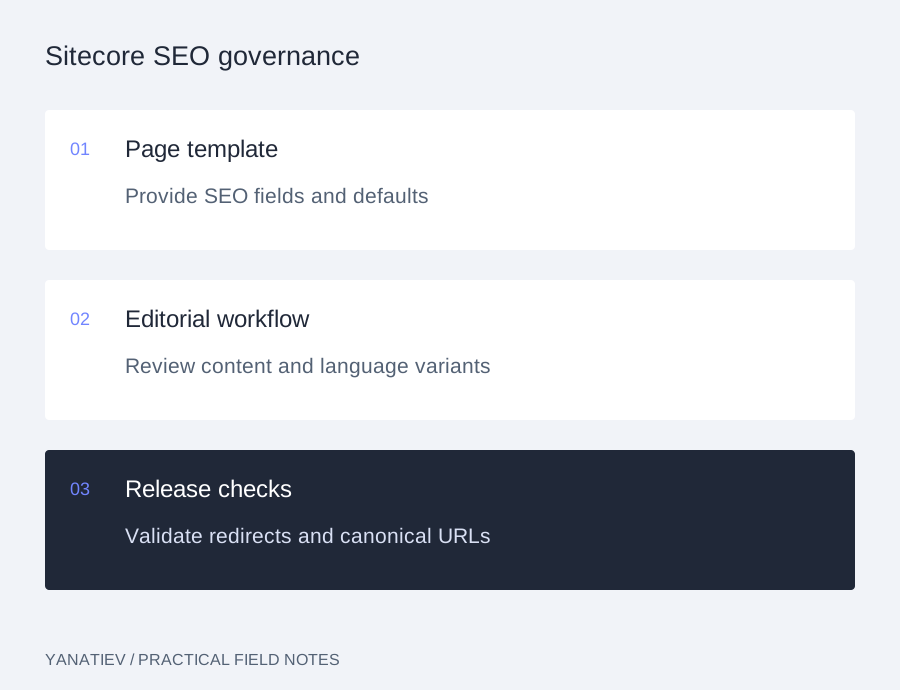
Design SEO Friendly Templates
Every Sitecore template should support:
- SEO title field
- Meta description field
- Clean URL configuration
- Structured headings
SEO should be part of the template definition, not an optional enhancement.
Avoid Over Fragmented Content
Breaking content into too many small components can harm SEO if not rendered properly. Ensure that meaningful content appears in the final HTML output.
Search engines must see the same content users see.
One Primary Topic Per Page
Each page should focus on one clear topic. Mixing multiple intents weakens relevance signals and confuses AI systems.
Personalization and SEO in Sitecore
Use Personalization Carefully
Personalization should:
- Improve user experience
- Avoid changing core SEO content drastically
- Preserve a stable default version for search engines
Always define a canonical experience that search engines can index.
Avoid SEO Issues With Variants
Personalized variants can create:
- Duplicate content
- URL parameter issues
- Crawl budget waste
Use canonical tags and proper indexing rules to control visibility.
On Page SEO Best Practices for Sitecore Sites
Titles and Headings
Ensure:
- One H1 per page
- Logical H2 and H3 hierarchy
- Titles written for humans, not algorithms
Clear structure improves both usability and AI interpretation.
Content Writing Principles
High performing Sitecore content:
- Answers user intent clearly
- Uses short paragraphs
- Avoids unnecessary marketing fluff
- Provides real value
Enterprise authority is built through clarity, not complexity.
Internal Linking Strategy
Sitecore makes it easy to manage links. Use internal links to:
- Connect related topics
- Distribute authority
- Improve crawl paths
Internal linking is critical on large enterprise sites.
Technical SEO Considerations for Sitecore
Crawlability and Rendering
Ensure that:
- Content is rendered server side or statically
- JavaScript does not block indexing
- Important content is not hidden behind interactions
Search engines must be able to crawl and render pages reliably.
Performance and Core Web Vitals
Enterprise sites often struggle with performance. Optimize:
- Page load speed
- Image delivery
- Script execution
Performance impacts both rankings and user experience.
URL Management
Use clean, descriptive URLs and avoid unnecessary parameters. Control indexing rules carefully across environments.
SEO Friendly Content Strategy in Sitecore
Build Topic Based Structures
Instead of isolated pages, create:
- Core landing pages for main topics
- Supporting content for subtopics
- Strong internal linking between them
This structure works well for AI overviews and enterprise SEO.
Use FAQs for AI Visibility
FAQ sections help:
- Answer real user questions
- Improve featured snippet eligibility
- Increase AI overview inclusion
Ensure FAQs are crawlable and not hidden behind personalization logic.
Common SEO Mistakes in Sitecore Projects
- Treating SEO as a marketing only task
- Ignoring SEO during template design
- Over personalizing indexable content
- Publishing pages without clear intent
- Failing to manage duplicate content
Avoiding these mistakes often unlocks significant organic growth.
Measuring SEO Success for Sitecore Websites
Use:
- Google Search Console for indexing and performance
- Analytics tools for engagement metrics
- Enterprise SEO platforms for large scale monitoring
Regular audits are essential for complex Sitecore environments.
Frequently Asked Questions
Is Sitecore good for SEO?
Yes. Sitecore is excellent for SEO when implemented correctly with clear structure and crawlable content.
Does Sitecore handle SEO automatically?
No. SEO success depends on template design, content strategy, and technical implementation.
Can Sitecore sites rank in AI generated search results?
Yes. Stable, well structured content performs well in AI driven search when personalization is handled carefully.
Is personalization bad for SEO?
No. Personalization is beneficial when used thoughtfully and does not hide or fragment core SEO content.
Is Sitecore suitable for large scale SEO?
Yes. Sitecore is well suited for enterprise SEO when governance and best practices are in place.
Final Thoughts
SEO best practices for Sitecore CMS are about balance. Balance between personalization and crawlability, flexibility and structure, marketing goals and technical foundations.
When Sitecore templates, content, and personalization work together, search engines and AI systems can understand and reward your site with strong visibility.
Sitecore gives enterprises powerful tools. SEO success comes from how strategically those tools are used.