
Strapi is one of the most popular open source headless CMS platforms for modern websites. It offers flexibility, control, and strong developer tooling. However, SEO success with Strapi is never automatic.
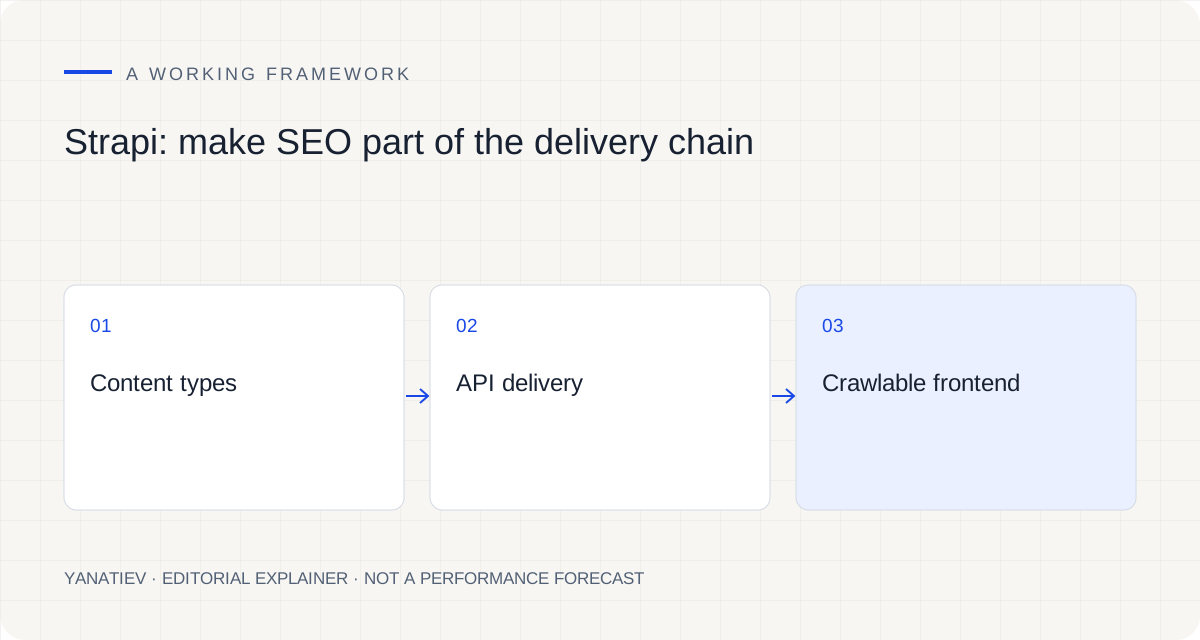
Search engines and AI systems do not care which CMS you use. They care about structure, clarity, intent, and performance. With Strapi, SEO depends entirely on how content is modeled, delivered, and optimized on the frontend.
This guide explains SEO best practices for Strapi CMS, focusing on content structure, technical foundations, and AI friendly optimization that helps your site rank in Google, Bing, and Gemini style search experiences.
This article is written for developers, SEO specialists, content teams, and founders building scalable websites with Strapi.
Why SEO Requires a Different Approach in Strapi
Strapi gives teams full control over content architecture. Unlike traditional CMS platforms, it does not enforce page templates or SEO rules.
This flexibility is powerful, but it also creates common SEO risks:
- Inconsistent page structure
- Missing metadata
- Weak internal linking
- Content published without clear intent
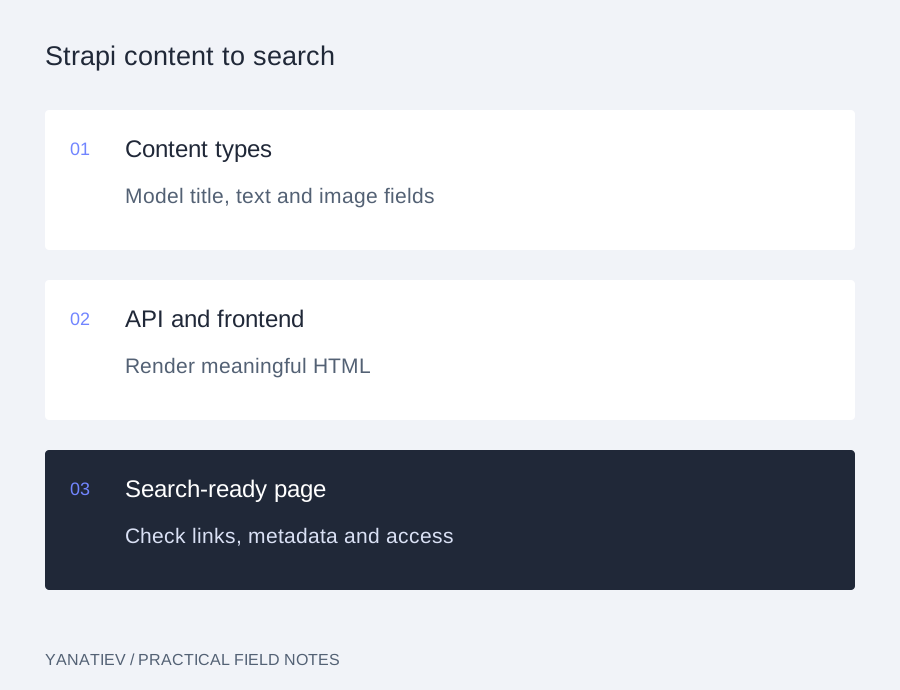
SEO success in Strapi comes from intentional design, not plugins.
How Search Engines and AI Understand Strapi Content
Clear Topic Definition
Modern search engines evaluate whether a page clearly represents a single topic. AI systems look for strong signals that indicate what the content is about.
These signals include:
- Page titles and headings
- Content hierarchy
- Supporting sections
- Internal links
- Consistent terminology
Strapi allows you to define all of this, but only if you plan it upfront.
Structure Is Critical for AI Search
AI driven search systems favor content that is:
- Well structured
- Easy to scan
- Clearly segmented
- Supported by FAQs and summaries
Poorly structured Strapi content is harder for AI systems to interpret and reuse.
Content Modeling SEO Best Practices in Strapi
Create Dedicated SEO Fields
Every Strapi content type should include:
- SEO title
- Meta description
- URL slug
- Optional excerpt or summary
This ensures SEO is part of the content workflow, not an afterthought.
Use Components for Structured Content
Instead of placing everything in a single rich text field, use Strapi components such as:
- Intro blocks
- Text sections
- Media sections
- FAQ components
This improves consistency, reusability, and SEO clarity.
One Clear Purpose Per Entry
Each Strapi entry should serve one primary purpose. Combining multiple unrelated topics in one page weakens SEO signals and confuses AI systems.
Aligning Content With Search Intent
Match Pages to Intent
Every page should clearly align with one type of intent:
- Informational
- Commercial
- Navigational
When intent is mixed or unclear, rankings usually suffer.
Use Multiple Pages Instead of One Overloaded Page
It is better to create several focused pages that link together than one broad page trying to cover everything.
This approach builds topical authority and improves crawlability.
On Page SEO Best Practices for Strapi Sites
Titles and Headings
Use:
- One H1 per page
- Logical H2 and H3 sections
- Natural language instead of forced phrasing
Headings guide users and help search engines and AI systems understand content hierarchy.
Writing Content That Performs
High performing Strapi content:
- Answers questions directly
- Uses short paragraphs
- Avoids unnecessary filler
- Explains concepts clearly
Clarity beats cleverness in SEO.
URLs and Internal Linking
Use clean, descriptive slugs and connect related content with internal links. Internal linking helps search engines understand content relationships and improves discoverability.
SEO Friendly Content Strategy for Strapi
Build Topic Clusters
Use Strapi to create:
- Core pages that cover main topics
- Supporting articles that expand subtopics
- Internal links that connect related content
This structure works well for both traditional search and AI overview results.
Use FAQs to Strengthen Visibility
FAQ sections help:
- Answer real user questions
- Improve AI overview inclusion
- Increase featured snippet potential
Model FAQs as reusable Strapi components whenever possible.
Technical SEO Considerations for Strapi
Indexing and Rendering
Ensure your frontend:
- Outputs clean HTML
- Uses proper meta tags
- Avoids hiding important content behind JavaScript
Search engines must be able to crawl and render your pages reliably.
Performance and Core Web Vitals
Fast loading pages improve rankings and user experience. Strapi works well with modern frameworks that support performance optimization when configured correctly.
Common SEO Mistakes in Strapi Projects
- Treating Strapi like a traditional CMS
- Publishing content without SEO fields
- Using one rich text field for everything
- Ignoring internal linking
- Letting SEO be handled only at the frontend stage
Avoiding these mistakes often leads to immediate SEO improvements.
Measuring SEO Performance for Strapi Websites
Use:
- Google Search Console to monitor visibility and queries
- Google Analytics to track engagement
- SEO tools to analyze rankings and site health
Review performance regularly and adjust content structure when needed.
Frequently Asked Questions
Is Strapi good for SEO?
Yes. Strapi is excellent for SEO when content is properly modeled and implemented on the frontend.
Does Strapi handle SEO automatically?
No. SEO success depends on how content types, fields, and frontend rendering are designed.
Do I need SEO plugins for Strapi?
No. Strong content modeling and frontend SEO implementation are more important than plugins.
Can Strapi sites rank in AI generated search results?
Yes. Clear structure, strong content, and FAQs help Strapi sites perform well in AI driven search.
Is long form content effective in Strapi?
Yes. Long form content works very well when broken into structured sections and components.
Final Thoughts
SEO best practices for Strapi CMS are about structure, intent, and clarity. When content modeling, writing, and technical implementation work together, search engines and AI systems can easily understand and rank your content.
Strapi gives you full control. SEO success depends on how deliberately you use it.